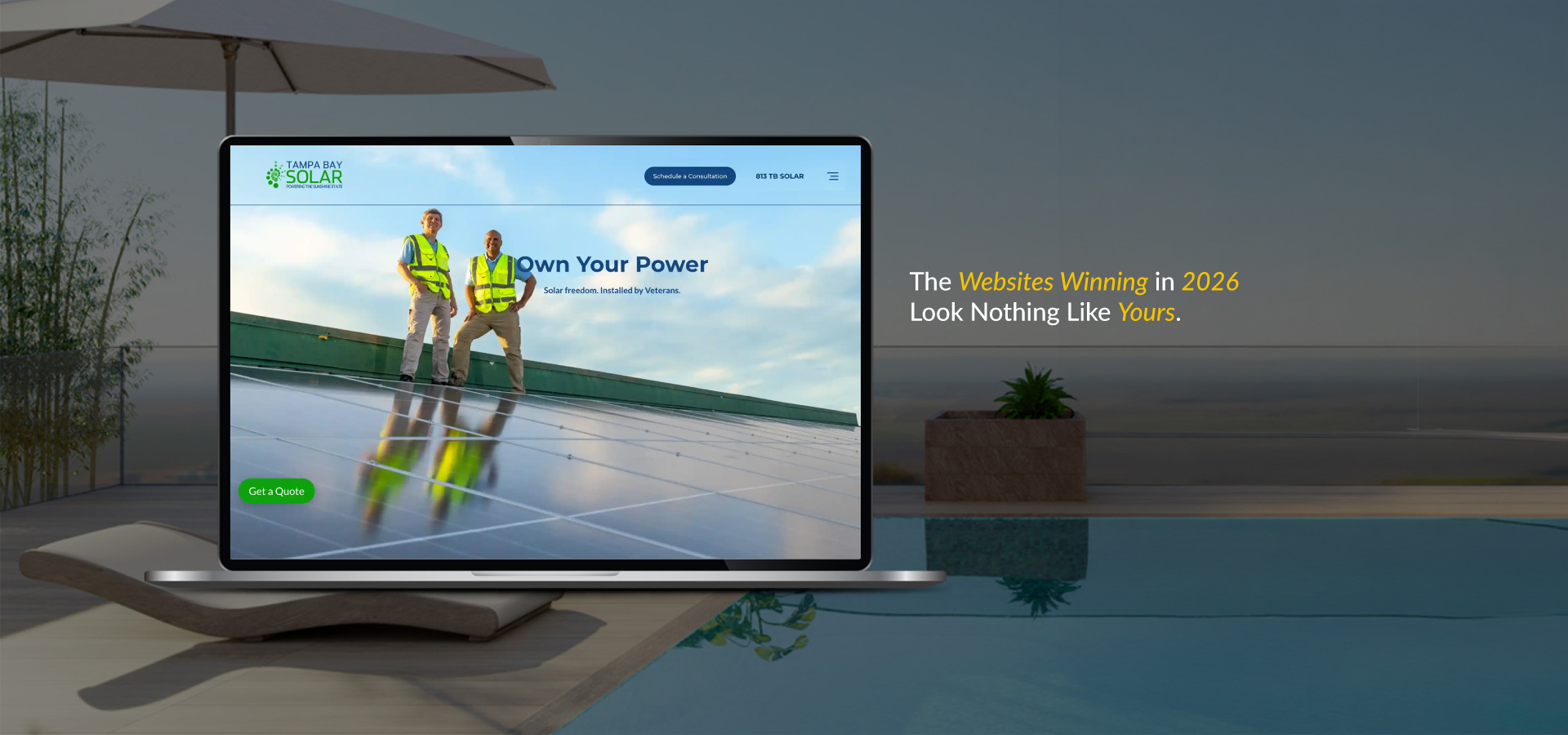
Web design has moved far beyond just looking attractive. In 2026, websites need to think, adapt, and respond to users. People no longer want digital brochures. They expect smart, fast, and engaging experiences. If your website feels static or slow, it loses value. Here is what modern brands are doing differently.
Key Takeaways
- AI Personalization: Make content and products relevant to each user.
- Interactive Design: 3D, AR, and micro-interactions boost engagement and sales.
- Speed & Accessibility: Fast, mobile-friendly, and accessible sites improve experience and rankings.
- Bold Human Design: Strong visuals, typography, and emotional design build brand trust.
AI Personalization Is the New Standard
AI personalization is now common. People expect websites to automatically show content that matches their interests. Modern websites track what users click and read, then adjust the content to make it more relevant. An online store can show eco-friendly products first, a service website can highlight the right solutions, and a news site can suggest similar articles. This technology is available to all businesses, and it helps increase engagement and sales.
3D and Interactive Experiences Increase Conversions
Static images no longer suffice to persuade customers to make purchases. Today’s customers want to explore products before they commit. Customers at Nike can view products from all angles, while IKEA customers can use augmented reality to see how virtual furniture will look in their actual rooms.
Real estate platforms now offer immersive 3D walkthroughs, and e-commerce stores provide interactive product previews. Customers who fully understand their purchase will be more confident in the product, leading to increased sales.
This technology was once expensive and complex, but modern tools have made it accessible to businesses of all sizes.
Speed Is a Competitive Advantage
If your website takes time to load, you risk losing a large portion of your visitors.
Search engines reward fast websites, and users quickly abandon slow ones. Since most traffic now comes from mobile devices, people expect instant performance.
Improving speed does not always require a complete rebuild. Clean code, optimized images, reliable hosting, and smart caching can significantly reduce load times. Faster websites rank better and convert better, making performance a business priority rather than a technical detail.
Bold and Emotional Design Is Returning
Minimalism dominated the previous decade, but personality is making a comeback.
Bright colors and bold contrasts are replacing muted designs, bringing back a strong brand personality. Since AI can easily create perfect layouts, identity now matters most. Modern websites use expressive colors, fluid designs, and dark mode to feel more human and engaging.
Micro Interactions Create Impact
The specific elements of a website need to be designed with proper attention because they create the distinction between average and exceptional websites. Users experience instant button response, continuous progress bar movement, and a clear visual indication of their current form field selections. The small interactive elements on the website provide users with feedback, reduce errors, and create a quicker, more user-friendly website experience.
The brand receives stronger brand trust from users who intentionally engage with website elements. The development of higher trust levels results in improved user engagement and higher conversion rates.
The Experience Includes Typography
Text now exists as a dynamic element that transforms when users scroll through content. Variable fonts enable users to adjust their font weight and size by scrolling. The oversized headlines establish a powerful initial impact. The animation elements provide a subtle way to direct viewers towards essential information.
Typography now serves as a fundamental tool that helps users navigate websites while building brand recognition. The system delivers a better understanding through its effective operation, producing moments people remember.
What This Means for Your Business
The design of websites in 2026 requires designers to create experiences that maintain human connection through intelligent design elements that respond to user needs. The design of human-centered web applications poses a challenge for modern designers, who must create experiences that offer users authentic interactive moments.
Leading brands adapt to users in real time, deliver fast and personalized experiences, and build trust through strong design and performance. If your website feels outdated, it can limit your business growth.
Build for 2026
Great Impressions creates websites that deliver more than visual attractiveness. We develop digital platforms that achieve three goals: converting visitors into customers, driving user engagement, and improving digital performance.
We develop digital solutions that lead to measurable business growth through AI personalization, 3D immersive experiences, performance optimization, and accessible design.
Your website needs to function as a powerful digital asset that generates a competitive advantage in online markets. Your website needs to function as a powerful digital asset that generates a competitive advantage in online markets.