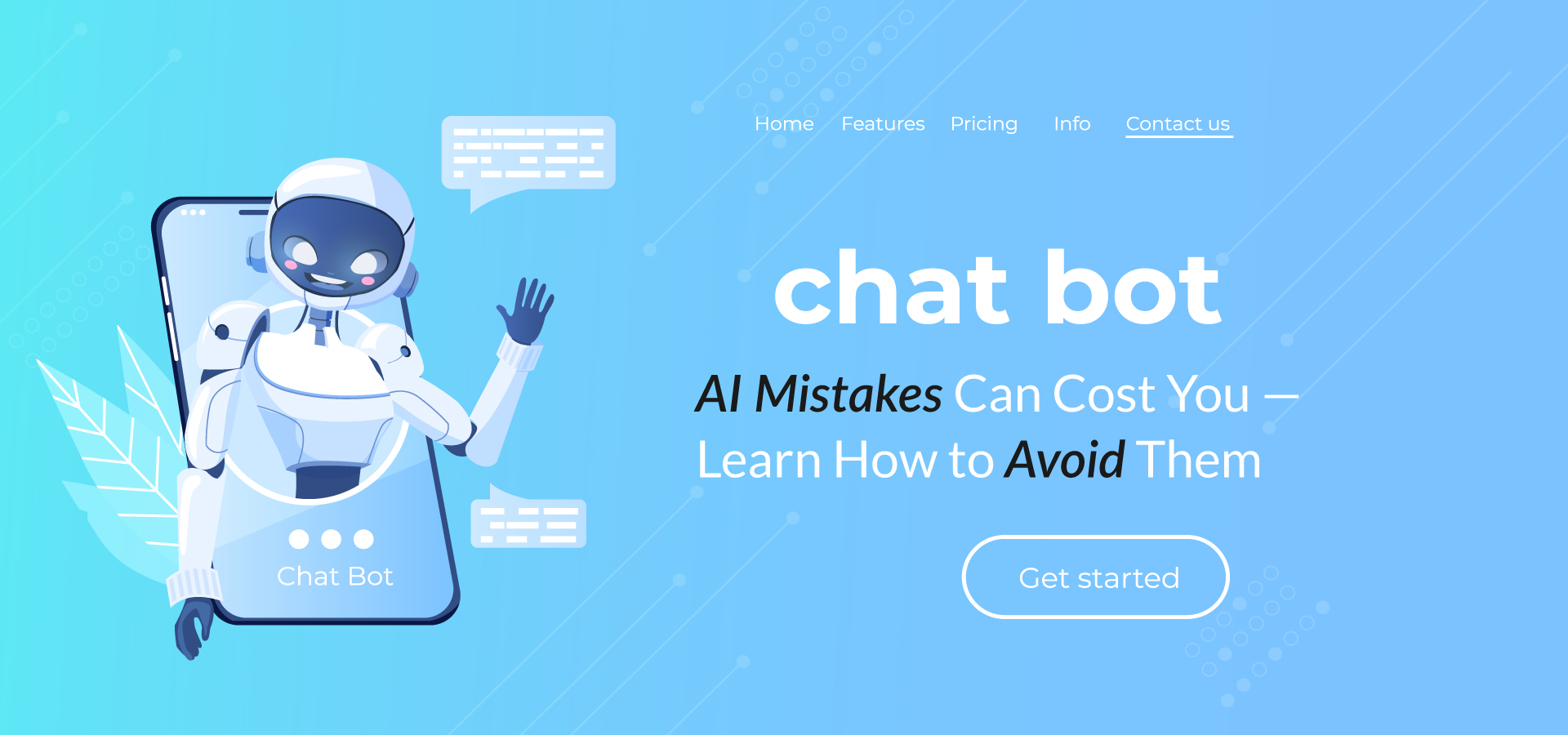
AI chatbots are everywhere now. They help us write emails and answer our questions. They even help with homework. But there’s a big problem. Sometimes they make things messy.
Key Takeaways
- AI can give false or misleading information.
- Hallucinations can cause real problems, such as misinformation or bad decisions.
- Leading causes: poor leadership, limited reasoning, and a lack of understanding of context.
- Reduce errors by giving clear instructions, using good data, and reviewing AI outputs.
What Does “Hallucination” Mean?
When AI makes up misleading information, we call it a hallucination. The AI acts confidently; it sounds smart. But sometimes facts are wrong.
Think of it like this. A person having a hallucination sees things that aren’t real. AI hallucinations work the same way. The AI “sees” information that doesn’t exist. Then it tells you about it like it’s true.
Why Should You Care?
This incorrect information causes real problems. Here’s what can happen:
- Someone’s reputation gets damaged
- Companies make bad decisions based on wrong data
- People spread false information without knowing it
- Legal issues can arise from incorrect claims
In one real case, an AI falsely accused someone of stealing money. That person had to hire lawyers. This shows hallucinations aren’t just funny mistakes. They can hurt people.
Types of AI Hallucinations
AI can make different kinds of mistakes, often called hallucinations.
- Wrong Facts: The AI provides information that appears true but is actually wrong, such as incorrect dates, statistics, or incorrect scientific details.
- Random Nonsense: Sometimes the AI’s answer doesn’t match your question at all. For example, you ask about the weather, and it talks about cooking pasta.
- Contradictions: The AI may say one thing and later say the opposite. This happens often.
Knowing these types makes it easier to spot mistakes and double-check AI responses.
Why AI Makes Mistakes
AI can give wrong answers for several reasons:
- Inadequate Training: If the data AI learns from has errors or is outdated, it repeats mistakes.
- Limited Thinking: AI spots patterns but doesn’t truly understand. When confused, it guesses.
- Memory Limits: In long conversations, AI can forget earlier points, causing inconsistencies.
- Takes Things Literally: Sometimes it is hard for AI to understand sarcasm, jokes, cultural references, or context, leading to wrong responses.
Knowing these limits helps users check AI outputs carefully.
How to Fix This Problem
AI hallucinations occur when chatbots provide incorrect or misleading information. They usually come from insufficient data, technical limits, or language issues. These errors can be reduced with the right approach.
1. Control the Input
- Keep your questions short and precise.
- Give specific instructions.
- Limit the amount of text you input and output.
- Use logical prompts instead of casual approach.
2. Adjust AI Settings
- Stop it from repeating itself.
- Ensure it includes up-to-date information.
- Make its responses more predictable.
3. Add Safety Checks
- Involve humans in reviewing meaningful AI outputs.
- Fact-check before sharing AI-generated content.
- Automatically filter or remove incorrect content.
- Test the AI system regularly to catch errors.
4. Provide Better Context
- Give detailed questions and background information.
- Update AI with current facts.
- Link AI to reliable sources for accurate outputs.
5. Use Better Training Data
- Use accurate, verified information.
- Include diverse topics and perspectives.
- Remove errors and biases from training data.
- Keep the data fresh and up to date.
Best Practices for Users
To get the most out of AI while avoiding mistakes, follow these tips:
- Don’t trust AI unquestioningly. Always verify essential facts.
- Use AI as a assistance, not the only source of information.
- Treat AI like a knowledgeable friend who can make mistakes, you wouldn’t rely on them for everything.
The Future of AI
As AI grows, it’s essential to know its limits and check critical information.
- Companies are actively improving AI to reduce the risk of hallucinations.
- Multiple fixes together make AI more reliable, but no system is perfect.
- Humans still need to check critical information.
- AI will keep improving, but knowing its limits is key.
AI hallucinations can create serious issues, but they can be minimized with better input, settings, context, and data. At Great Impressions, we emphasize using AI carefully, fact-checking results, and keeping humans in the loop to make it a reliable and helpful tool in everyday use.